The Checklist Isn't for Your New Starter
Atul Gawande on why experienced people skip steps they already know, the difference between a checklist and a procedure, and how to write one short card your team will actually use.
The catering order that went out without its gluten free labels wasn't packed by the new starter. It was packed by your best person. Eight years on the floor, never late, knows every regular by name.
That is the part nobody wants to say out loud. The new kid asks when they're unsure. The expert doesn't need to ask, so on the busiest Friday of the month, the expert is the one who skips the step.
We have already written about getting procedures out of your head and onto paper, so a new hire can run the place without ringing you. That is Michael Gerber's argument in You're an Expert. That's the Problem. and it still stands.
This post is about the other problem. The one a procedure doesn't fix. Atul Gawande, a surgeon, spent years working out why highly trained people keep making mistakes on things they already know how to do. His answer is a checklist. Just not the kind most cafes have pinned by the back door.

Why Experts Need Checklists Most
Gawande splits mistakes into two kinds. Errors of ignorance happen because nobody knew the right thing to do. Errors of ineptitude happen because somebody knew and didn't do it.
For most of history the first kind was the big one. Not anymore. In a cafe that has been open a few years, almost every expensive mistake is the second kind. The milk order that didn't go in. The allergen question that didn't get asked. The grinder nobody tasted after the new bag went in. Everyone knew. It just got missed.
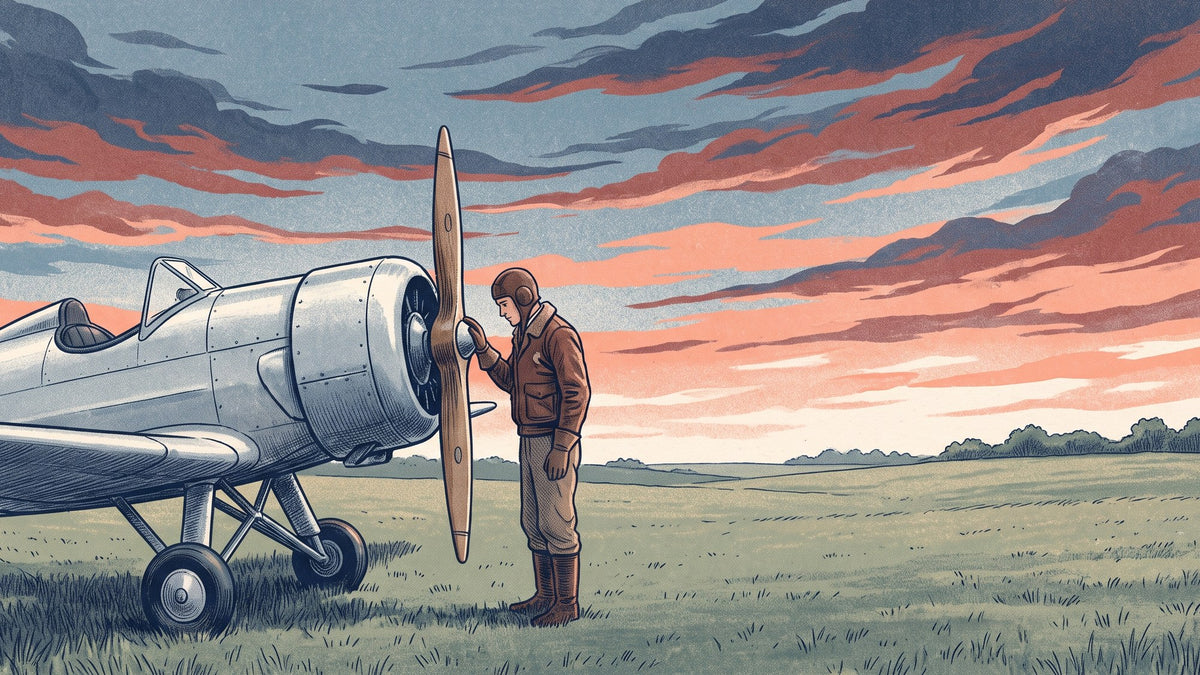
The story Gawande tells starts in 1935. Boeing was showing the US Army its new bomber, the Model 299. It took off, climbed to about 300 feet, stalled and crashed. The pilot was one of the most experienced test pilots they had. He had forgotten to release a new lock on the controls.
The press said the plane was too complicated to fly. The test pilots disagreed. It wasn't too complicated to fly. It was too complicated to fly from memory. So they wrote a short list of checks for taxi, takeoff and landing, small enough to fit on an index card. Those first twelve planes went on to fly 1.8 million miles without an accident.
About seventy years later a doctor called Peter Pronovost tried the same idea in an intensive care unit. Five steps for putting a line into a patient, things like washing your hands and covering the patient with a sterile drape. Every doctor already knew them. He asked the nurses to watch for a month. In more than a third of patients, at least one step got skipped. With the checklist in place, the infection rate on those lines went from eleven percent to zero.
Nobody learned anything new. They just stopped relying on memory for the parts that matter most.

A Checklist Is Not a Procedure
This is where most cafes go wrong, and it's an easy mistake. They write the procedure, laminate it, hang it up and call it a checklist.
A procedure teaches someone how. It is long, because it has to cover everything. It is for the person who doesn't know yet. A checklist is for the person who does. It assumes the skill and only catches the handful of steps that skilled people skip when they're busy, tired or interrupted.
Gawande's rules for a good one are simple.
Killer items only. Five to nine lines. Only the steps that get missed and hurt when they do. If nobody ever forgets it, it doesn't belong.
It fits on one card and takes about a minute. Anything longer gets skimmed, and a skimmed checklist is worse than none, because it feels done.
It runs at a pause point. A fixed moment in the day when you stop and check. Before the doors open. Before the order leaves the building. Not "whenever you get a chance".
It's one of two types. READ-DO means you read a line, then do it, like following a recipe. DO-CONFIRM means you do the job from memory, then stop and confirm each line was done. Experienced teams almost always want DO-CONFIRM. It respects that they know the job.
The eighteen-step laminated opening sequence from The System That Runs Our Entire Business is a great training document. Keep it. It is a procedure. By week three your senior staff will walk past it without a glance, and they should, because they know it. What they need is the six lines they skip.

Cafe Checklists Built Around Pause Points
Most cafes have three natural pause points in a day. Here is what a DO-CONFIRM card might look like at each. Yours will be different, because your killer items come from your own mistakes, not ours.
Before the doors open. First shot tasted and dialled in, not just pulled. Milk dates checked, oldest at the front. Fridge temps read and written down. Card machine on and tested. Today's catering orders and pickups read out loud.
Before a catering order leaves. Head count matches the order. Every dietary label matches the order sheet, not memory. Pickup time and a contact name confirmed. Serving gear in the box. For a box of forty sandwiches heading to an office, that last minute is the difference between a standing account and an awkward phone call.
At close. Fridges shut and sealed. Gas off. Anything that has to be ordered tonight, ordered. Back door locked. Alarm set.
Look at what is missing. Nothing about how to steam milk. Nothing about how to mop. Your team knows those. The card only holds what gets skipped.
Gawande found something else in surgery that surprised him. When the World Health Organization tested a nineteen item surgical checklist across eight hospitals, from Seattle to Tanzania, major complications fell from 11 percent to 7 percent. Deaths fell from 1.5 percent to 0.8 percent. And some of the lines had nothing to do with technique. Everyone in the room says their name and role. Does anyone have a concern before we start?
Those lines are there to make speaking up normal. The team also decided the nurse would call the pause, not the surgeon, so the most senior person in the room wasn't the only one allowed to say stop.
A cafe version is two minutes before open. The newest person on the roster reads the card. Anyone can say "we're not ready". If the junior can't stop the senior, the checklist is decoration.
Expect some eye rolling. In Gawande's hospitals about one in five staff still disliked the checklist after three months. But when the same people were asked whether they'd want it used if they were the one on the table, 93 percent said yes. Ask your head barista whether they'd want the kitchen making their kid's nut free birthday cake to use one.

The Exercise: Write One Checklist This Week
Just one. Pick the pause point where your last few mistakes happened. For most cafes that is catering or opening.
One. Ask the team, not the manual. Five minutes at the end of a shift. "What gets skipped here when we're flat out?" Write down every answer. The good ones come from the people who have been there longest.
Two. Cut it to the killer items. Keep only the steps that get missed and cost something when they do. Money, a customer, or someone's safety. Stop at nine. If it doesn't fit on half a page, it is still a procedure.
Three. Pick the type and the moment. DO-CONFIRM for most things. Name the exact pause point and the person who calls it. Make it the newest person on shift.
Four. Run it for two weeks, then fix it. Cross off any line nobody has needed. Add any step that caught you out anyway. A checklist nobody has updated since you changed suppliers is how the milk runs out at 8am, which is the story in Your Team Isn't the Problem. You Are.
Then leave it alone and let it work. The card will never make your best people better at their jobs. It will stop them being human at the worst possible moment.
That is the whole point. Your team already knows what to do. Give them a minute to prove it.
Further reading: The Checklist Manifesto by Atul Gawande
Inspired by The Checklist Manifesto by Atul Gawande. If this hit home, the book goes deeper.
Keep reading: You're an Expert. That's the Problem. · You Don't Rise to Your Goals. You Fall to Your Systems.
If you want a Perth coffee roaster who thinks about your business the way we write about it, let's talk.
Keep reading
More from First Light.