The Dream 100: Stop Chasing Everyone and Start Hunting the Accounts You Actually Want
How cafe owners (or any small B2B business) can identify and pursue their 100 ideal accounts with relentless, personalised outreach instead of scattershot
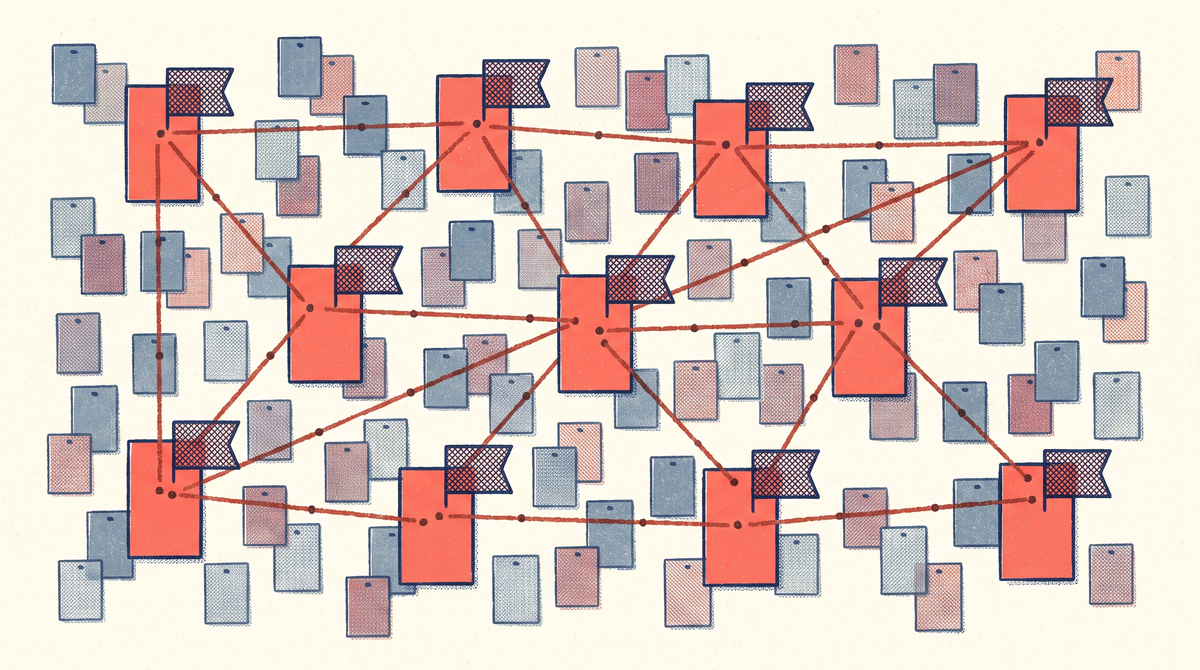
Most small businesses treat sales like fishing with a net. The Dream 100 says fish with a spear.
If you run a cafe, a roastery, or any B2B business, you already know the feeling. You're posting on Instagram, running ads, maybe doing a market here and there, and hoping the right people find you. Some do. Most don't. And the ones who do find you are rarely the ones you actually wanted.
There's a better way. It's not new, it's not complicated, and it works.
What the Dream 100 Actually Is
Chet Holmes introduced this idea in The Ultimate Sales Machine. Sabri Suby ran with it in Sell Like Crazy. The core idea is simple enough to explain over a flat white.
Instead of marketing to everyone and hoping ideal customers raise their hand, you make a list of exactly 100 businesses you want to work with. Not vague categories. Specific businesses. Real names, real addresses, real decision-makers.
Then you pursue them. Consistently. Personally. For as long as it takes.
Not with spam. Not with a generic email blast. With a deliberate, multi-touch campaign that keeps you front of mind until they're ready to buy. Holmes called this "pigheaded discipline." We call it playing the long game.
The logic is this: your best 100 accounts will be worth more than your next 1000 random ones. So why spend 80% of your energy on the random ones?

Why This Hits Different for Wholesale Coffee
Let's put real numbers on this.
A single hospitality account taking 10kg of coffee per week at $30 per kilo is worth $15,600 a year. A good account, one that stays for three years and refers two others, is worth north of $60,000 to your business.
Now think about what you're spending on Instagram ads or flyers trying to attract anyone with a coffee machine.
If you landed just five Dream 100 accounts this year, accounts that are genuinely great fits, that would change most small roasteries completely. Five. Not a hundred. Not fifty. Five.
The Dream 100 isn't about volume. It's about precision.

Building Your List
Here's where most people get stuck. They think too broadly. "Cafes in Melbourne" is not a list. That's a category.
Your Dream 100 is built on specifics. Start by asking yourself three questions.
Who are your best current accounts? Not your biggest. Your best. The ones who pay on time, value quality, don't grind you on price, and actually care about what you're doing. Write down what they have in common. Industry, size, location, vibe, values. That profile is your filter.
Who do you wish you were working with? Think about specific businesses you walk past, eat at, or follow online and think "they'd get it." Write those down by name.
Who is currently working with your competitors? This one makes people uncomfortable. Get over it. If a competitor is supplying a venue that fits your profile perfectly, that venue is on your list. Loyalty in business is earned, not assumed.
Now you have the raw material. Refine it down to 100 names. Real businesses. Real people.
For a coffee roaster, your Dream 100 might include specialty cafes in a specific suburb, boutique hotels, high-end restaurants with a serious beverage program, corporate offices with real kitchen budgets, and independent bottle shops that sell retail beans. The mix depends on your model. The specificity is non-negotiable.

The Campaign: How You Actually Pursue Them
This is where the Dream 100 separates itself from every other sales strategy you've tried.
Most people make one cold call or send one email, get no response, and move on. Holmes was blunt about this. The fortune is in the follow-up. Most sales happen between the fifth and twelfth touchpoint. Most salespeople give up after one or two.
The Dream 100 is a sequence. Not a single shot.
Here's a simple version of how it works over three months.
Month one. Send something physical. A handwritten note. A small sample pack. A well-designed one-pager about who you are and what you do. Physical mail cuts through because nobody does it anymore. It costs you maybe $8 to $12 per person. For 100 people, that's $1000. For the lifetime value of even two or three of those accounts, it's nothing.
Month two. Follow up by phone or email. Reference what you sent. Be human. Don't pitch hard. Just open a conversation. Something like: "We sent you some coffee last month. Curious if it landed well. We'd love to drop in and meet you properly."
Month three. Show up. If they're local, visit in person. Bring something. Not a brochure. Coffee. Something they can taste and experience. Make the meeting about them, not you.
Then you repeat. Not identically, but consistently. A new touchpoint every three to four weeks. A seasonal offer. An article you thought they'd find interesting. A quick check-in. You're not pestering. You're staying present.
The goal is to be the first name that comes to mind when they're ready to switch suppliers or try something new.

The Mindset Shift That Makes This Work
Here's the thing most people miss. The Dream 100 isn't a sales tactic. It's a commitment.
You're not doing this for a month and then wondering why it didn't work. You're playing a different game to everyone else. While your competitors are chasing every lead that comes through, you're quietly building relationships with the exact accounts you want.
Some of them will say yes in week three. Some will take eighteen months. A few will never convert. That's fine. You're not farming all 100 forever. You're rotating. As some convert, you add new names to the bottom of the list. The Dream 100 is a living document, not a one-time exercise.
The businesses that do this well tend to find that their conversion rate on Dream 100 accounts is dramatically higher than cold inbound leads, and those accounts stay longer and spend more. Because you chose them deliberately, and they know it.
The One Thing You Can Do This Week
Open a spreadsheet. Create five columns: Business Name, Contact Name, Contact Email or Phone, Last Touchpoint, Next Action.
Now spend one hour filling in 20 names. Just 20. Businesses you genuinely want to work with. Don't overthink it. Go with your gut and your best-account profile.
That's your starting point. Next week, add 20 more. The week after, another 20. By the end of the month, you have your Dream 100.
Then send something physical to the first 20. A sample. A note. Something real.
You don't need a CRM. You don't need a sales team. You need a list, a plan, and the discipline to follow through when it feels like nothing is happening.
The accounts you actually want are out there. They're just waiting for someone to pursue them like they mean it.
Be that someone.
Further reading: The Ultimate Sales Machine by Chet Holmes and Sell Like Crazy by Sabri Suby.
If you want a Perth coffee roaster who thinks about your business the way we write about it, let's talk.
Keep reading
More from First Light.