The First 100 Days
Up to 70% of new customers leave before day 100. Not because the coffee was bad. Because nothing happened. Here's the framework that stops the bleeding.
Here's a number that should keep you up tonight.
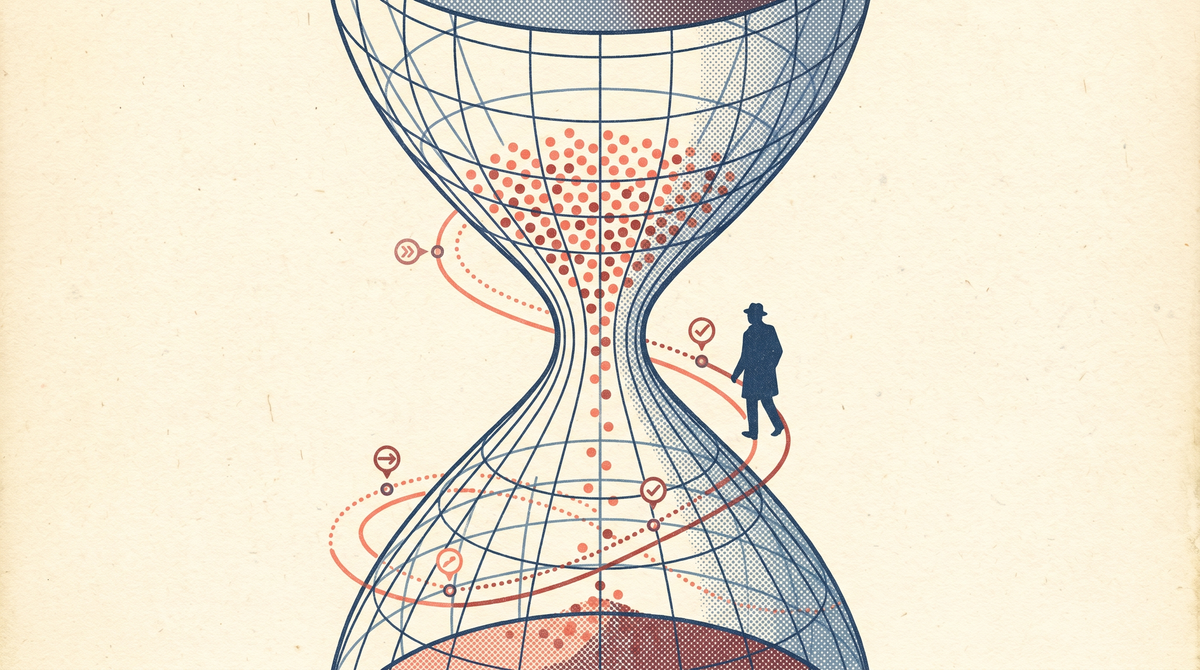
Between 20 and 70 percent of your new customers will stop coming back within their first 100 days.
Not because the coffee was bad. Not because the service was rude. Because nothing happened.
That's the finding from researcher Joey Coleman, who spent years studying customer retention across hundreds of industries. The pattern is universal. The moment someone becomes a customer, most businesses stop paying attention. They celebrate the sale and move on to the next one.
Meanwhile, the customer is standing there with buyer's remorse, wondering if they made the right choice.

The Gap Nobody Notices
Think about the last time you signed up for a new gym. Or switched phone providers. Or tried a new cafe.
The moment you committed, doubt crept in. Did I pick the right one? Is this going to be worth it? What if I don't like it?
That doubt is real and it's universal. It doesn't matter if the product is perfect. The emotional state after a commitment is uncertainty. And uncertainty, left unaddressed, turns into regret. Regret turns into drift. Drift turns into gone.
Most businesses have an incredible process for getting new customers. Marketing. Sales. Onboarding. The red carpet is out.
Almost nobody has a process for keeping them past day 14.
The Eight Stages
Coleman mapped eight stages every customer passes through. Most businesses actively manage two of them and leave the rest to chance.
Stage 1: Assess. They're deciding whether to try you. This is your marketing. Most businesses are decent at this.
Stage 2: Admit. They've made the purchase. They've walked in, ordered, paid. They've admitted they need what you offer. This is where most businesses stop investing.
Stage 3: Affirm. This is the magic window. Right after the purchase, the customer needs reassurance that they made the right choice. Not an automated "thanks for your purchase" email. A real, human acknowledgment.
For a cafe, this is the difference between a barista who says "thanks" and a barista who says "haven't seen you before, welcome, you're going to love this blend." That single sentence is worth more than any loyalty card.
Stage 4: Activate. The first real experience with your product. The first coffee. The first delivery. The first time they see whether the promise matches reality.
This is where consistency matters most. A first experience that matches or exceeds expectations accelerates trust. A first experience that disappoints is nearly impossible to recover from.
Stage 5: Acclimate. They're figuring out how things work. Where to sit. When the rush is. What's good on the food menu. Whether the Wi-Fi password is on the wall or you have to ask.
Every unnecessary friction during this stage is a reason to not come back. Not a big reason. Just a small annoyance that adds up until the effort of being your customer outweighs the reward.
Stage 6: Accomplish. They've achieved what they came for. The coffee is good. The routine works. They feel like they belong. This is when habit forms.
Stage 7: Adopt. They become loyal. Not because of a rewards program. Because the experience is woven into their life. This is their cafe now. They tell people about it.
Stage 8: Advocate. They actively promote you. Not because you asked. Because they genuinely want others to have the same experience.
Most cafes accidentally arrive at stages 7 and 8 with some customers. The framework says: design for it.

What This Looks Like in a Cafe
You don't need a CRM or a loyalty platform. You need intentional moments in the first 100 days.
Day 1: The first visit.
Make it remarkable. Not expensive. Remarkable. The barista learns their name. Uses it when the coffee is ready. "Flat white for Sarah." Not "flat white, table four." Name. It costs nothing. It changes everything.
Day 3-7: The second visit.
This is the most important visit in the entire relationship. The customer is testing whether the first visit was a fluke. If the barista remembers them, the relationship accelerates. "Back again. Same as last time?" Five words. Months of trust compressed into one sentence.
Day 14-30: The habit window.
By now they're either forming a habit or drifting. If they haven't been back in two weeks, something went wrong. Not dramatically. Just enough friction or inconsistency that someone else's cafe was easier.
This is where most cafes lose people and never know it. There's no alarm. No notification. Just a person who came three times and then stopped. You'll never know their name because you never learned it.
Day 30-100: The belonging phase.
The barista starts their coffee when they walk in. They have a "usual." They know where to sit. The owner says hello. They feel like this place is theirs.
This is when loyalty becomes automatic. Not because of points. Because of identity. "I'm a [cafe name] person." That identity is worth a thousand free tenth coffees.

The Maths
Let's say 50 new people try your cafe each month. (Not unreasonable for a decent location.)
Without a first-100-days process, maybe 15 become regulars. That's a 30% conversion rate. Decent.
With an intentional process (names remembered, consistency maintained, second-visit recognition), maybe 25 become regulars. That's 50%.
The difference is 10 extra regulars per month. Each one worth roughly $1,300/year in coffee alone.
10 regulars × $1,300 = $13,000 in additional annual revenue.
Not from marketing. Not from new foot traffic. From keeping the people who already chose you.
The One Thing to Start
You don't need to implement all eight stages tomorrow. Start with one.
Stage 3: Affirm.
Train your baristas to do one thing differently starting this week. When they see a face they don't recognise, say something that makes the person feel seen.
Not "what can I get you." That's transactional.
"Morning. Haven't seen you here before. What do you usually drink?"
That question does three things. It acknowledges them as a person. It signals that you pay attention to who comes in. And it starts a conversation that gives the barista information to recognise them next time.
When they come back, use what you learned. "You're the flat white with one sugar, yeah?"
That's the whole trick. See them. Remember them. Let them know you remember.
Everything else builds from there.

Why This Matters More Than Your Coffee
We roast coffee for coffee for cafes all over Perth. We've watched the ones that thrive and the ones that struggle. The difference is rarely the product. It's almost always the relationship between the cafe and its customers.
The cafes that intentionally build those relationships in the first 100 days have regulars who stay for years. The cafes that leave it to chance have a revolving door of new faces who come twice and disappear.
Your coffee can be perfect. If the experience doesn't make people feel like they belong, they'll find somewhere it does.
The first 100 days is where you win or lose them. Design it.
Further reading: Never Lose a Customer Again by Joey Coleman
Inspired by Never Lose a Customer Again by Joey Coleman. If this hit home, the book goes deeper.
Keep reading: The Real Cost of Bad Coffee · The Equation Your Cafe Is Getting Wrong
If you want a Perth coffee roaster who thinks about your business the way we write about it, let's talk.
Keep reading
More from First Light.