Nobody Remembers Good Service
Good service is invisible. Unreasonable hospitality is unforgettable. One framework from Will Guidara to turn everyday moments into the stories your customers tell everyone.
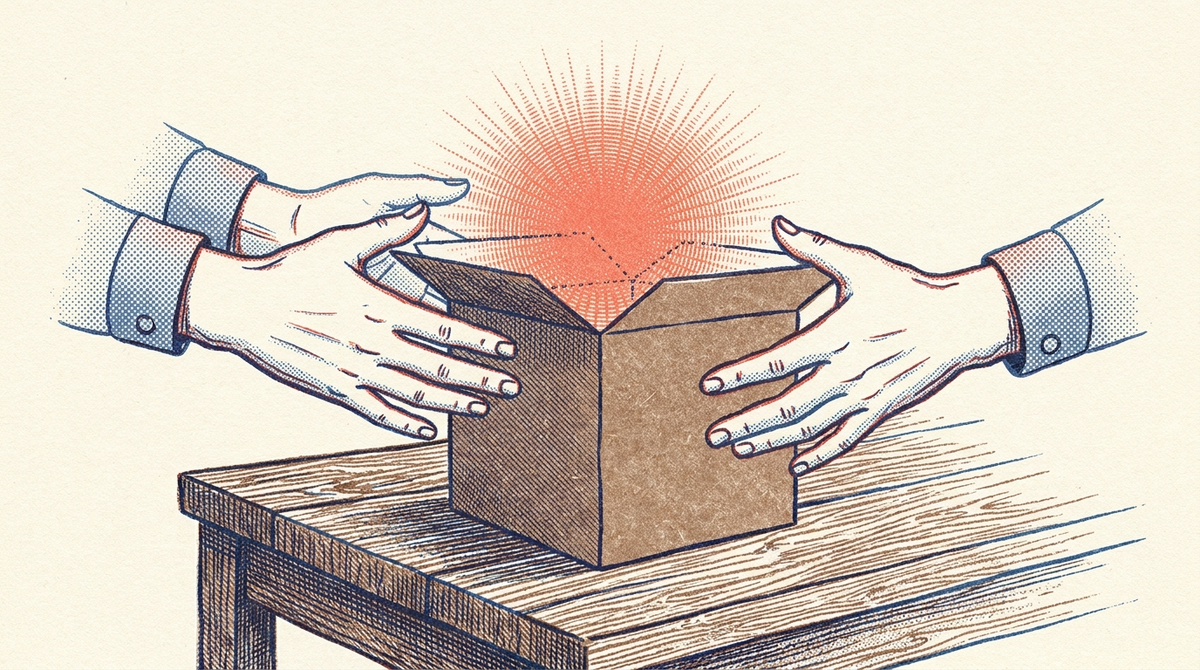
Nobody remembers good service.
Think about it. The last ten places you walked into that got your order right, smiled, said thanks. You don't remember any of them. Not one.
But you remember the place that did something you didn't expect.
That's the difference between service and hospitality. Service is a transaction. Hospitality is a feeling. And it's the feeling that builds a business.
Will Guidara ran Eleven Madison Park, the restaurant named best in the world in 2017. Not because the food was the best. Not because the service was the fastest. Because his team did things nobody expected.
A group of tourists mentioned they hadn't tried a New York hot dog. The kitchen sent someone out to a street cart, bought one, plated it on fine china, and served it tableside. The table cried.
That's unreasonable hospitality. And it costs almost nothing.
The 95/5 Rule
Guidara's framework is deceptively simple. Get 95% right with systems. Spend the other 5% on magic.
The 95% is everything that should just work. The grind is dialled in. The milk is textured properly. The order comes out fast. The space is clean. The music is right. Nobody notices the 95%. They only notice when it breaks.
The 5% is the part they tell people about at dinner.
It's the barista who remembers a regular's name on day three. It's the owner who walks a coffee out to someone's car when they see them struggling with a pram. It's the handwritten note tucked inside a wholesale delivery box that says "this batch is a banger, let us know what you think."
The 5% is unreasonable. It doesn't scale. It doesn't fit in a process document. And it's the only part anyone remembers.
Here's what most people miss: the 95% is what earns you the right to attempt the 5%. If the basics are broken, a nice gesture just feels weird. You can't put a cherry on a cake that's still raw in the middle. Get the systems right first. Then pour everything you've got into the moments that matter.

What This Looks Like in Practice
Most businesses think hospitality means being polite. Being polite is the bare minimum. Hospitality means making someone feel seen.
Here are five examples that cost less than $5 each.
A customer mentions their kid's birthday. Next time they come in, there's a babyccino with a candle in it. Total cost: one candle.
One of your office accounts hits their one-year anniversary with you. You send a handwritten card. Not an email. Not a template. A card with your actual handwriting on it. Total cost: a stamp and three minutes.
A regular is having a rough morning. You can see it on their face. You comp their coffee and say nothing about it. Total cost: 60 cents in beans.
Someone new walks in and looks lost at the menu. Instead of waiting for them to figure it out, you walk over and ask what kind of flavours they usually go for. Total cost: 30 seconds.
A local business orders catering for a team meeting. You throw in two extra pastries and a note that says "for the ones who always miss out." Total cost: two pastries.
None of these are systems. They're instincts. But instincts can be trained. And they get sharper the more you pay attention.

Why This Beats Every Ad You'll Ever Run
The maths on unreasonable hospitality is absurd.
A $5 Facebook ad reaches someone who doesn't know you, doesn't trust you, and probably won't remember you tomorrow. A $0 gesture reaches someone who's already in your space, already spending money, and will tell three people about it tonight.
Word of mouth is the oldest and most powerful marketing channel on earth. And the only way to earn it is to give people something worth talking about.
Nobody tells their mates about a place that got their order right. They tell their mates about the place that made them feel like they mattered.
Guidara calls these moments "legends." Small gestures that become big stories. The kind of stories that start with "you'll never believe what happened at..." and end with five new customers walking through your door next week.
You can't buy that with a boosted post. You can only create it by paying attention.

The Exercise: Three Legends This Week
This week, create three unreasonable moments for three different people. Not random acts of kindness. Deliberate, specific gestures for people you've actually noticed.
Pick three customers. One regular, one new face, one office account. For each one, write down one thing you know about them that isn't their order. Their kid's name. Their football team. The fact that they're renovating their kitchen. The band on their t-shirt.
Then do something with that knowledge. It doesn't have to be big. It just has to be specific. Specific is what separates "that was nice" from "I can't believe they remembered that."
Start a "legends list" behind the counter or in your phone. Every time you notice something about a customer, write it down. Every time you create a moment, log it. Review it weekly.
The 95% keeps your doors open. The 5% keeps them coming back.
Inspired by Unreasonable Hospitality by Will Guidara. If this hit home, the book goes deeper.
Keep reading: Your Customer Is the Hero. Your Cafe Is Not. · The First 100 Days
If you want a Perth coffee roaster who thinks about your business the way we write about it, let's talk.
Keep reading
More from First Light.